

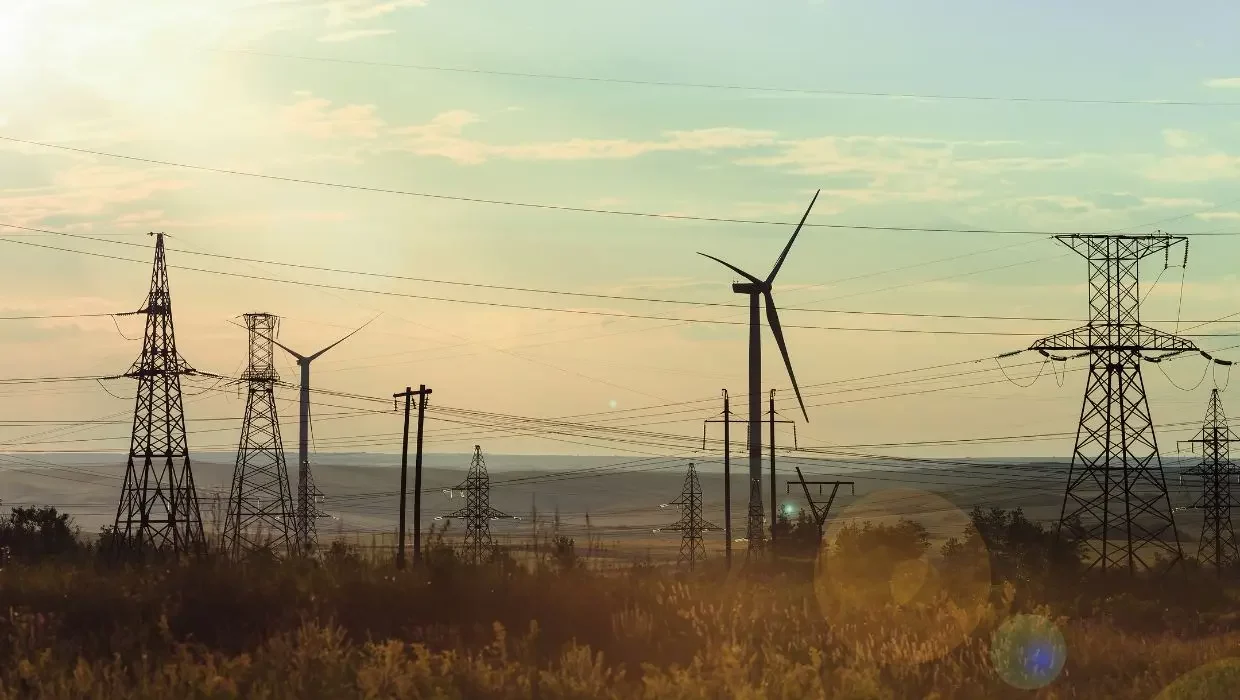
The Clean Power 2030 Summit highlighted how grid reform and the Great Grid Upgrade are essential to turning the UK’s clean energy ambitions into reality.
Attending the recent Clean Power 2030 Summit was both inspiring and a stark reminder of the immense journey ahead. Opening the event, Ben Golding, Director of the Clean Power 2030 Unit at the Department for Energy Security and Net Zero (DESNZ), captured the room’s gravity perfectly:
“Almost two years into the Clean Power 2030 Mission, we have done the easy part; we are into the hard part now.”
Golding’s point was simple but important: the next phase of the UK’s energy strategy can’t rest on DESNZ alone. It needs to be a whole-government effort. There’s plenty to be optimistic about too; the renewables sector has seen record investment and commercial activity recently. The immediate challenge, as Golding put it, is turning that capital into projects that actually get built.
Two themes from the summit stood out on this front: how the rules of the grid are changing, and how the grid itself is being rebuilt.
Why grid reform happened
For years, the UK’s grid connection queue was badly congested. It ran on a “first come, first served” basis, which let speculative, unviable projects sit in the queue and block capacity that shovel-ready projects needed.
To fix this, the National Energy System Operator (NESO) moved to a “first ready, first connected” model. Projects that stall lose their place. It’s been a difficult adjustment for the industry, but it sets a clearer framework going forward. The stakes for developers are now higher: connection dates come with strict milestones attached, and if a developer can’t prove their project will be ready in time, local authorities can refuse planning permission on those grounds.
The Great Grid Upgrade: rebuilding the physical network
While NESO rewrites the rules, National Grid is rebuilding the physical infrastructure through the Great Grid Upgrade — officially launched in 2023 and the largest overhaul of the electricity network in generations. Its job is to build what the Clean Power mandates actually need: a grid that can carry far more renewable power than today’s network was built for.
The Upgrade and the Clean Power targets are two sides of the same coin, and it comes down to three problems it needs to solve.
1. Connecting the new wave of renewables
Clean Power 2030 requires a big jump in generation — roughly doubling onshore wind, tripling solar, and quadrupling offshore wind. Most of that generation sits far from where the power is needed: offshore, or in remote areas like the Scottish coast, while demand is concentrated in towns and cities. The Upgrade is building thousands of miles of new subsea cables, underground lines, and pylons to move that power from where it’s generated to where it’s used.
2. Solving the bottleneck problem
The grid is already congested. When wind generation in Scotland is high, the network often can’t move all of that power south. The result is constraint payments — the grid operator pays wind farms to switch off, then runs gas plants near cities instead to make up the shortfall. Upgrading substations and using better cable materials widens these routes so that clean power generated isn’t wasted.
3. Enabling clean flexibility
Wind and solar output varies with the weather, so a clean grid needs flexibility to match. NESO and government have roadmaps to expand battery storage and demand-side flexibility, rewarding people for using power when it’s cheap and abundant. The Upgrade supports this with a digital overhaul of the grid — enabling two-way flows so home batteries, EVs, and rooftop solar can feed power back into the system.
Cura Terrae’s role
Cura Terrae is a preferred supplier for the Great Grid Project. We work with the Great Grid Upgrade both directly and through subcontracting, delivering the ecological survey packages that feed into design, and then into construction and delivery.
We’re also working with wind farm developers across the UK, both onshore and offshore, helping them secure planning permission through environmental surveys and robust environmental reporting.
The reforms and the rebuild are both necessary, and both are hard. As Golding said, the easy part is behind us. What happens next depends on the grid actually being able to carry the power the Clean Power plan promises.