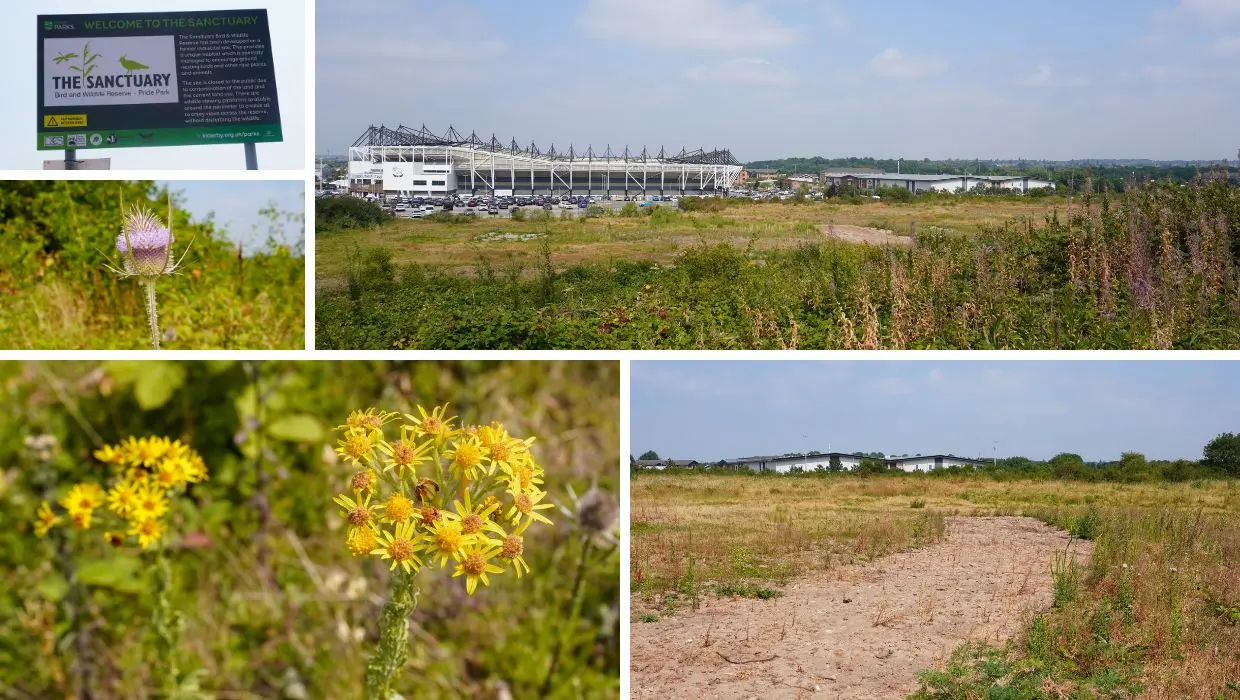

Derby City Council partnered with habitat specialists from environmental consultancy Cura Terrae, who spent several weeks on site developing a variety of habitats for breeding wader species. The Sanctuary Nature Reserve, Pride Park, has seen its first two lapwing chicks.
Over the winter a hidden nature reserve that sits between Derby County’s Pride Park stadium and the River Derwent has been turned into a breeding habitat for an abundance of ground-nesting birds.
Derby City Council partnered with habitat specialists from environmental consultancy Cura Terrae, who spent several weeks on site developing a variety of habitats for breeding wader species. The work included the creation of lapwing plots featuring short vegetation and bare ground, plover gravel areas composed of shingle, permanent water pools, and wader scrapes — shallow features with soft, muddy edges that periodically retain water, creating valuable feeding and nesting habitat.
The work has created a range of habitats that are expected to benefit a variety of bird species, including lapwing, little ringed plover, skylark, redshank, snipe, green sandpiper, ringed plover, reed bunting and sand martin.
The focus of the work was around creating habitat for ground nesting birds that have always been considered of special significance at The Sanctuary, particularly waders, and also lapwing and little-ringed plovers. All these have been shown to use the site as a breeding habitat at some time.
The Sanctuary Bird and Wildlife Reserve, at Pride Park, is one of the city’s 10 designated Local Nature Reserves, and it is Derby’s first bird reserve. Established in 2004 on former industrial land, it lies next to the River Derwent, which serves as a crucial corridor for dispersing bird life.
The works, completed by Cura Terrae and overseen by an independent ecologist, involved removing scrub to create the open environment these birds need to breed successfully. The plans to enhance the existing habitats included:
- Lapwing plots of short vegetation and bare soil
- Plover gravels composed of shingle, a sparsely vegetated gravel for nesting birds, because it provides camouflage and protection from predators.
- Permanent water pools to increase biodiversity as these could act as “stepping stones” between wetland habitats
- Wader scrapes – shallow features with soft, muddy margins that hold water intermittently, to provide wet, muddy feeding and breeding areas for wading birds.
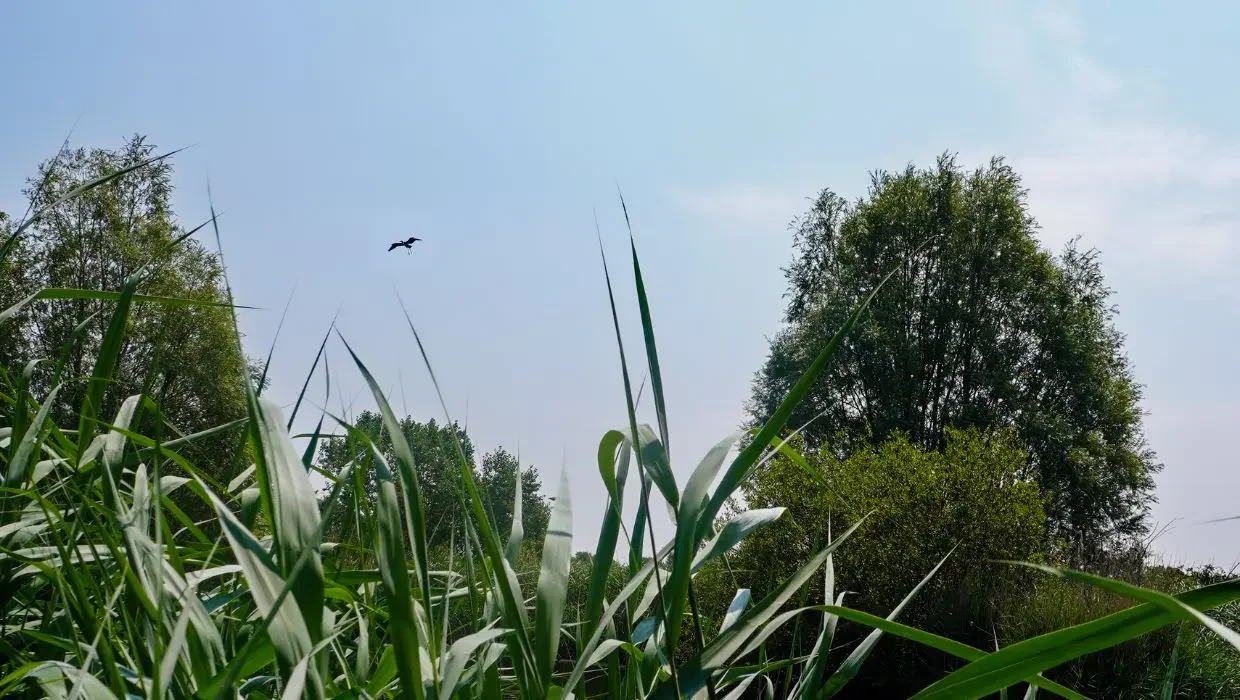
The newly created open areas of vegetation and shallow pools are already attracting wading birds including a breeding pair of lapwings with two fledglings. With the migration season well underway, other species such as common snipe, cetti warbler, wheatears and linnets have also enjoyed a stop over to feed during their migrations. Sand martins have been busy using the recently refurbished sand martin bank and can be seen flying low across the open waters.
As ground nesting and wading birds continue to decline across the UK due to habitat loss and disturbance, initiatives like The Sanctuary aren’t just welcome - they’re urgent. Our team designs and builds habitats precisely around protected species’ needs, from the right structure and hydrology to carefully selected native plants that deliver cover and food at the critical moments of the breeding cycle. It’s brilliant to see that within months of completion, the space has come alive this spring - with birds moving in, breeding, establishing territories, and successfully raising chicks on site, strengthening its role as biodiversity hub in the region.
Our ongoing work at The Sanctuary reflects our commitment to preserving our local environment. This project creates a vital urban refuge designed to aid the recovery of threatened bird species, ensuring Derby’s natural spaces actively serve as thriving breeding grounds and essential migratory stopovers. It’s exciting to watch, monitor and enjoy the birds as they stop off, raise their young and call this important nature reserve home.
The work to create the breeding habitats has been funded through the council’s Our City, Our River scheme and Section 106 funding.
Whilst the area is not open to the public, there are several viewing points, including two with disabled access, which can be reached from the Derby Arena car park.